
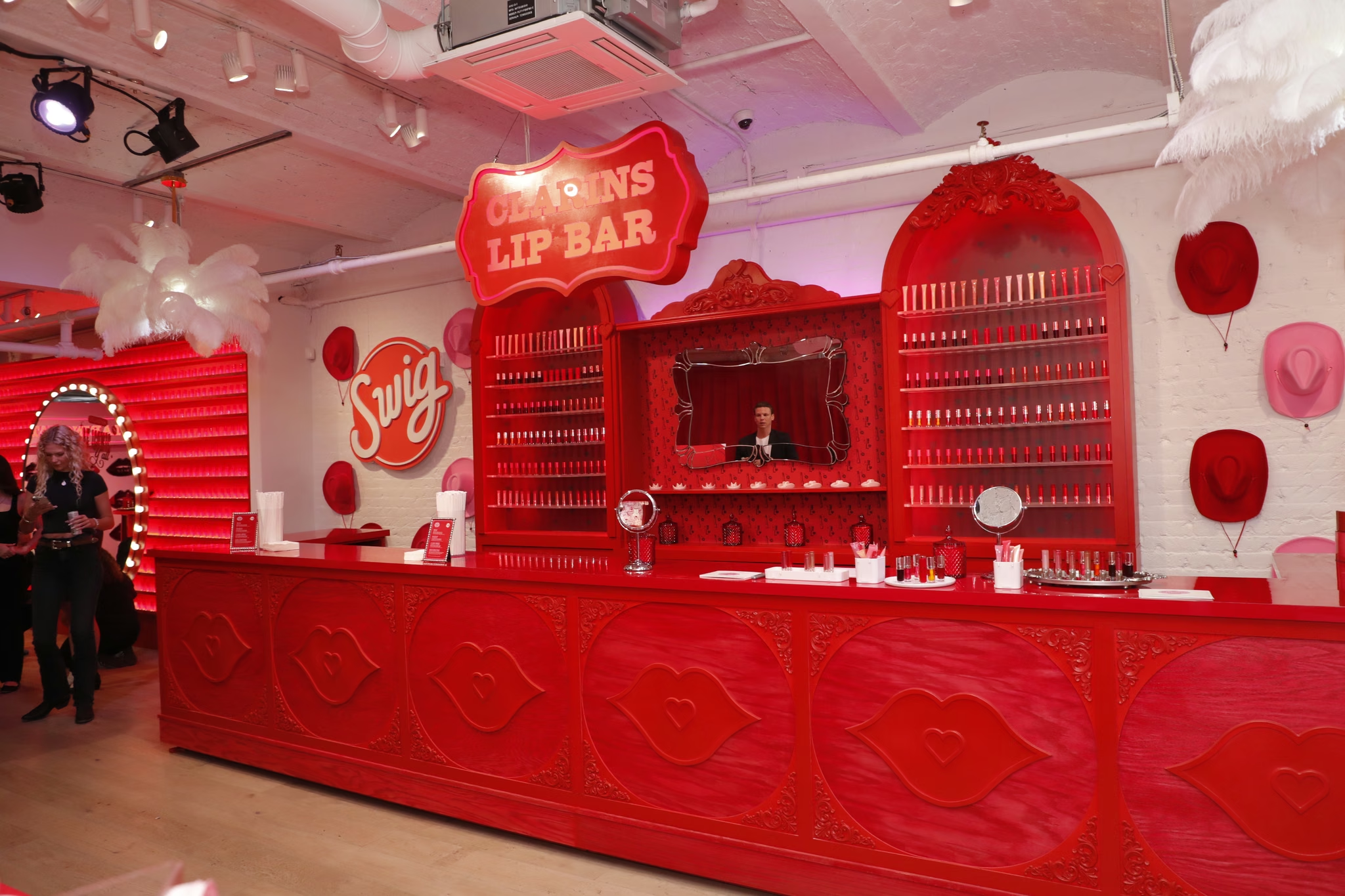
Experimentation and exclusivity: two concepts that rarely go hand in hand, yet both are essential to a luxury brand’s strategy.
For as long as luxury has existed, it has depended on exclusivity, and that dependence has made experimentation a risk: when a brand tests an idea in public, it can come across as uncertain or overexposed. In recent years, however, many luxury houses have found a way around this tension through the pop-up. Since a pop-up is only meant to last a few days or weeks, it creates a sense of scarcity on its own, and that scarcity gives brands the freedom to experiment with hyper-personalized experiences and unfamiliar markets without diluting the prestige they have worked to build. It’s no surprise, then, that New York has become the proving ground for this approach. Its walkable streets put brands in front of a steady flow of shoppers, while its mix of longtime residents and international visitors allows them to gauge a global audience from a single storefront.
What signals status varies a lot from one market to the next, so luxury houses use temporary spaces to read a city before committing to it: who walks in, who buys, and how a new collection lands. From limited guest lists to on-site customization, houses like Chanel, Christian Louboutin, and Bvlgari have staged pop-ups in New York. Read their event descriptions side by side and one word keeps coming up: celebrate. Theatrical design turns a routine product release into an occasion without giving up the sense of rarity that defines luxury.
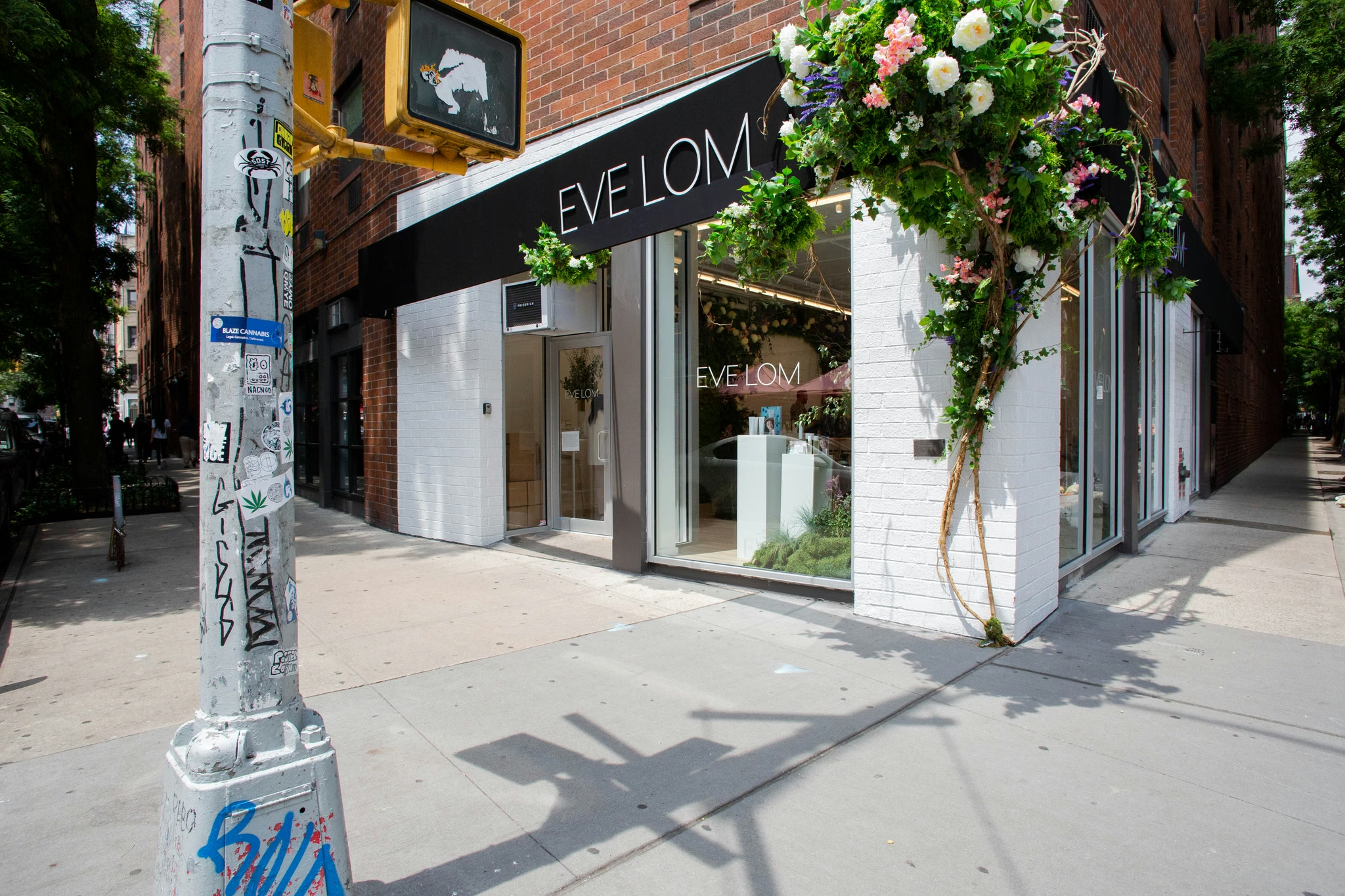
Customization is one of the most common ways brands create that sense of occasion. For example, Longchamp set up a digital customization stand inside Bloomingdale’s 59th Street flagship, where visitors could choose bag styles, colors, and keychains. Dr. Martens hosted a similar workshop where shoppers could personalize leather tags and boots, with a live DJ and drinks.
Beyond personalized products, the allure of a pop-up lies in who gets through the door, and when. A luxury brand can afford to let the public in precisely because it will close the space again in a few days.
For fragrance, a product that has to be smelled to be understood, pop-ups let a brand build an entire world around a scent. V Magazine reported that for a few days during NYFW 2026, the typically exclusive house of Chanel invited New Yorkers into its world at a café at 873 Washington Street, modeled on the one in its Coco Mademoiselle Crush Absolu film starring Gracie Abrams, so visitors weren’t just sampling a perfume; they were stepping inside the campaign. “Perhaps the greatest luxury, however, is access itself,” the magazine wrote. Walk-ins were welcome, though appointments were still recommended, which kept a hint of exclusivity even with the space open to anyone.
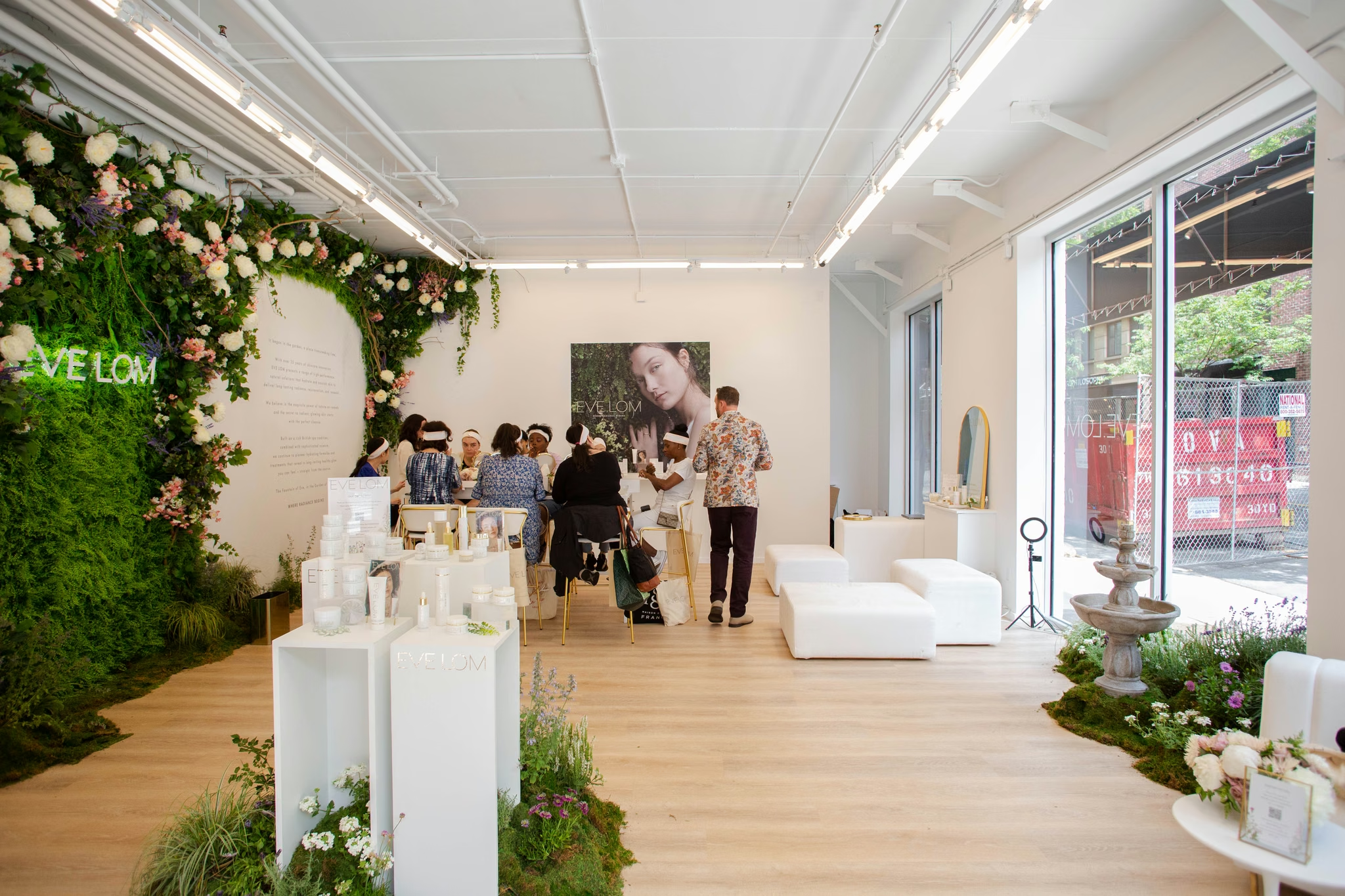
Bvlgari’s Serpenti Infinito installation drew celebrities like Anne Hathaway, Dua Lipa, and Hudson Williams to an exclusive launch party, then opened to the public the next day. In its first public art installation in the U.S., the brand reimagined its signature serpent design on a monumental scale. Instead of a piece of jewelry you’d admire in a display case, the serpent became an experience visitors could walk through.
Perhaps most importantly, pop-ups let luxury brands reach younger audiences without changing anything about their permanent flagships. Gen Z still cares about exclusivity, but it defines it differently. For earlier generations, exclusivity meant being able to afford something. For Gen Z, it means knowing how and when to get it. Temporary events reward the people who know when a limited drop is happening, while still letting in enough people for the moment to feel shared.
Ralph Lauren’s holiday activation at Bloomingdale’s shows how this works. By pairing luxury pieces with a large-scale holiday installation, the brand invites shoppers who might never walk into a Ralph Lauren store to browse, step into its world, and leave with a warm feeling attached to the name.
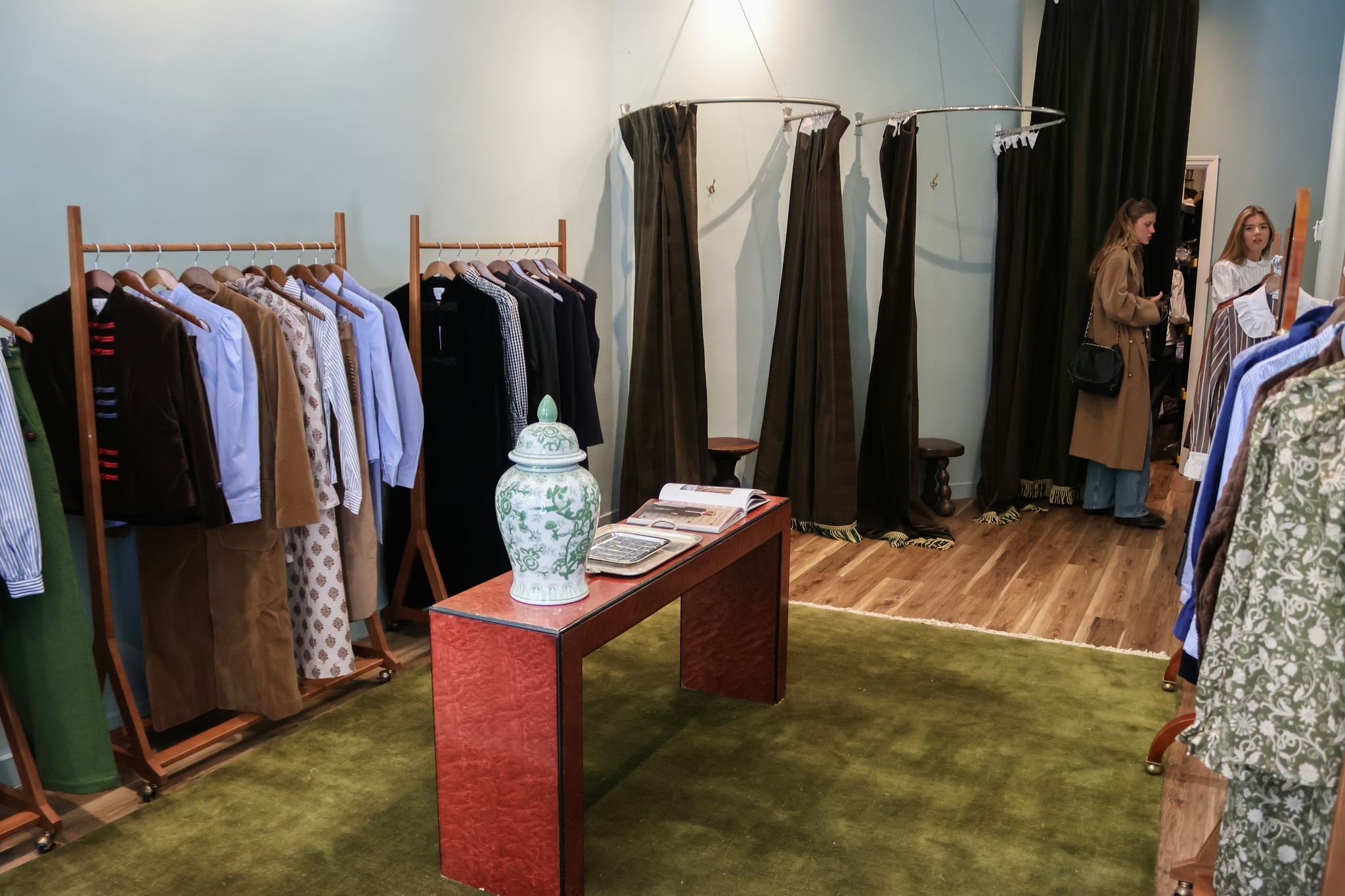
All in all, a pop-up lets a luxury brand do what once seemed impossible: experiment in public without risking its reputation. Given that these spaces are temporary, a brand can arrive for a few days, open up a world that has long been out of reach for most people, offer just enough to get visitors invested, and leave before the novelty wears off. The brand moves on, but the feeling of having been there stays behind, and that may be the most exclusive thing it can offer.