
Most pop-up case studies show you the finished room. That is the least useful picture, because the finished room is the easy part to imagine and the hard part to cost. What is worth looking at is the room the brand started with.
In June 2025, BODY by Raven Tracy ran a 24-day pop up at 262 Mott Street in Nolita. Here is that storefront before anything went into it.
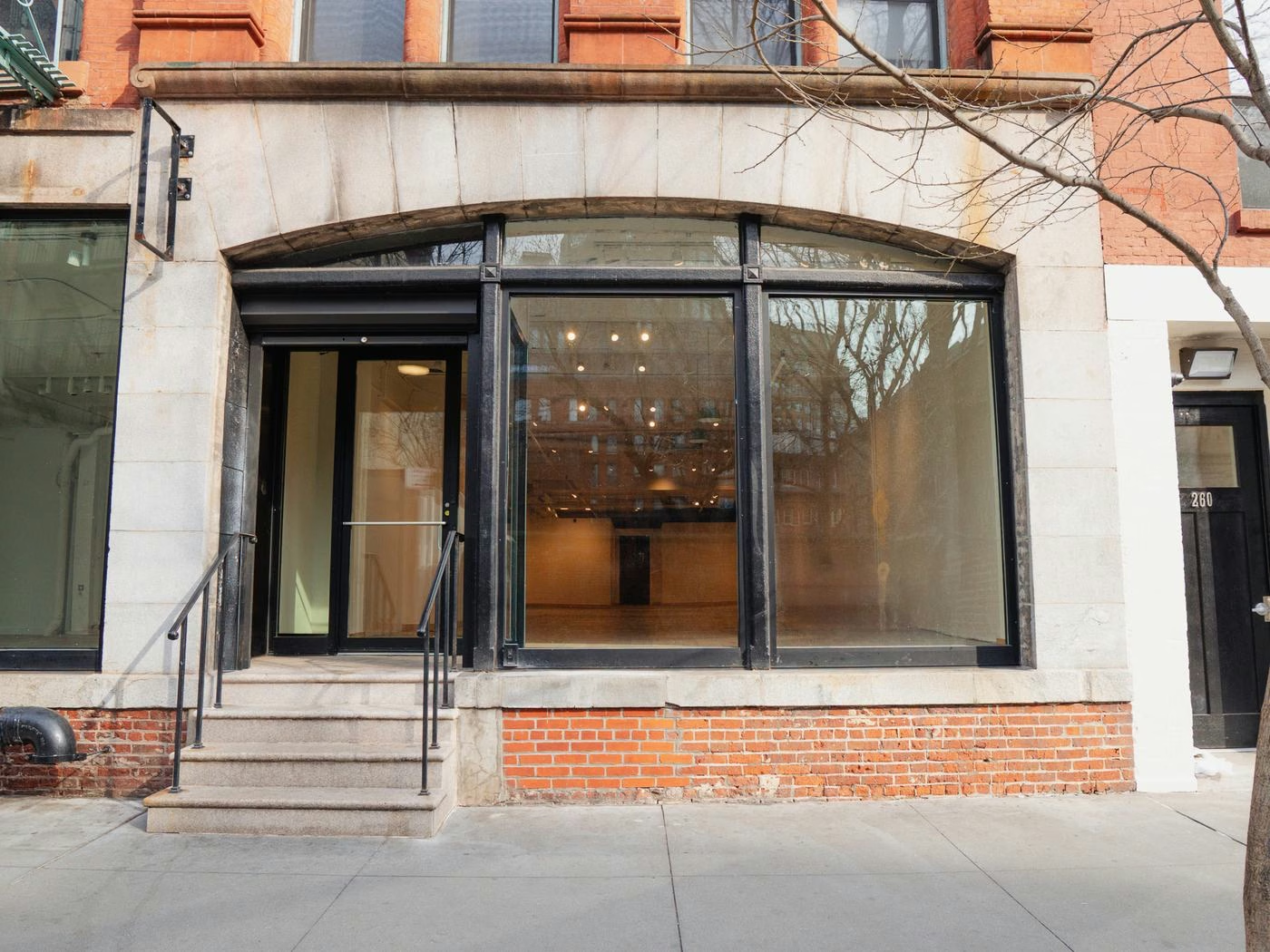
A 1,600 sq ft corner floor. White walls, concrete, an arched steel window and a brick sill. No fixtures, no lighting design, no colour. That is what a pop-up tenancy actually hands you, here and almost everywhere else in Manhattan, and it is the honest baseline for any budget conversation.
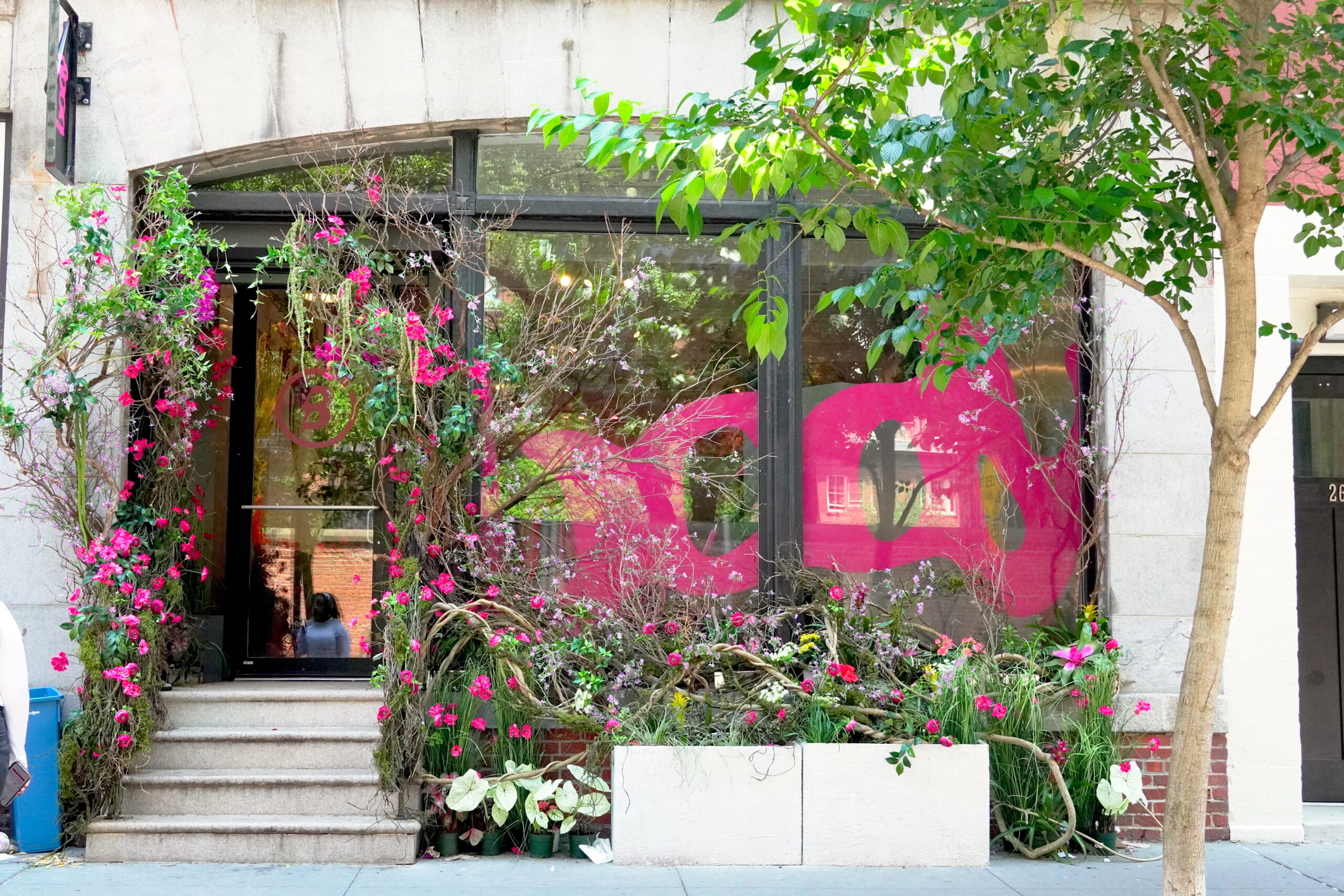
By opening day, the same frontage looked like this.
What the build actually did
Three moves carried the whole thing, and none of them touched the structure of the room.
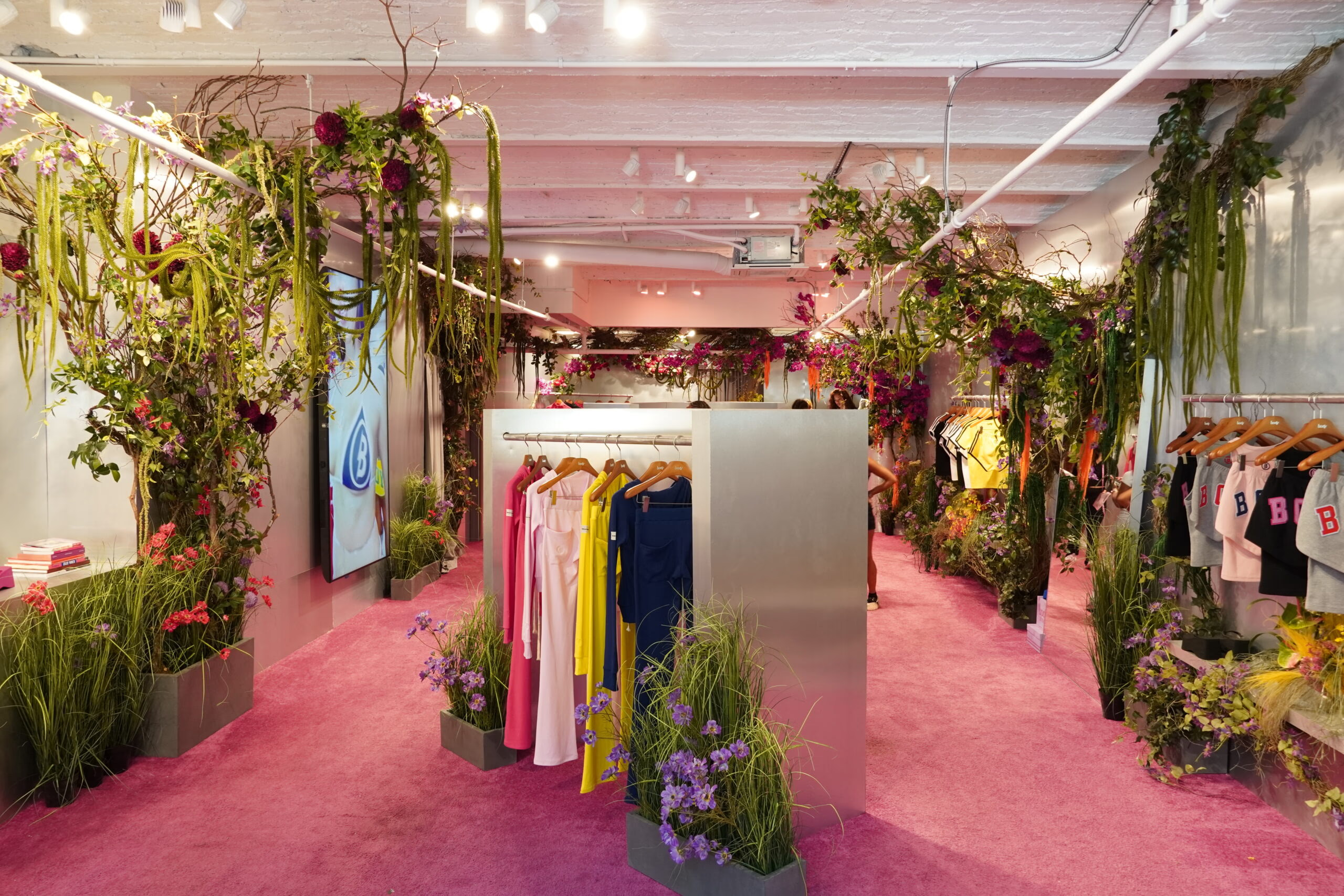
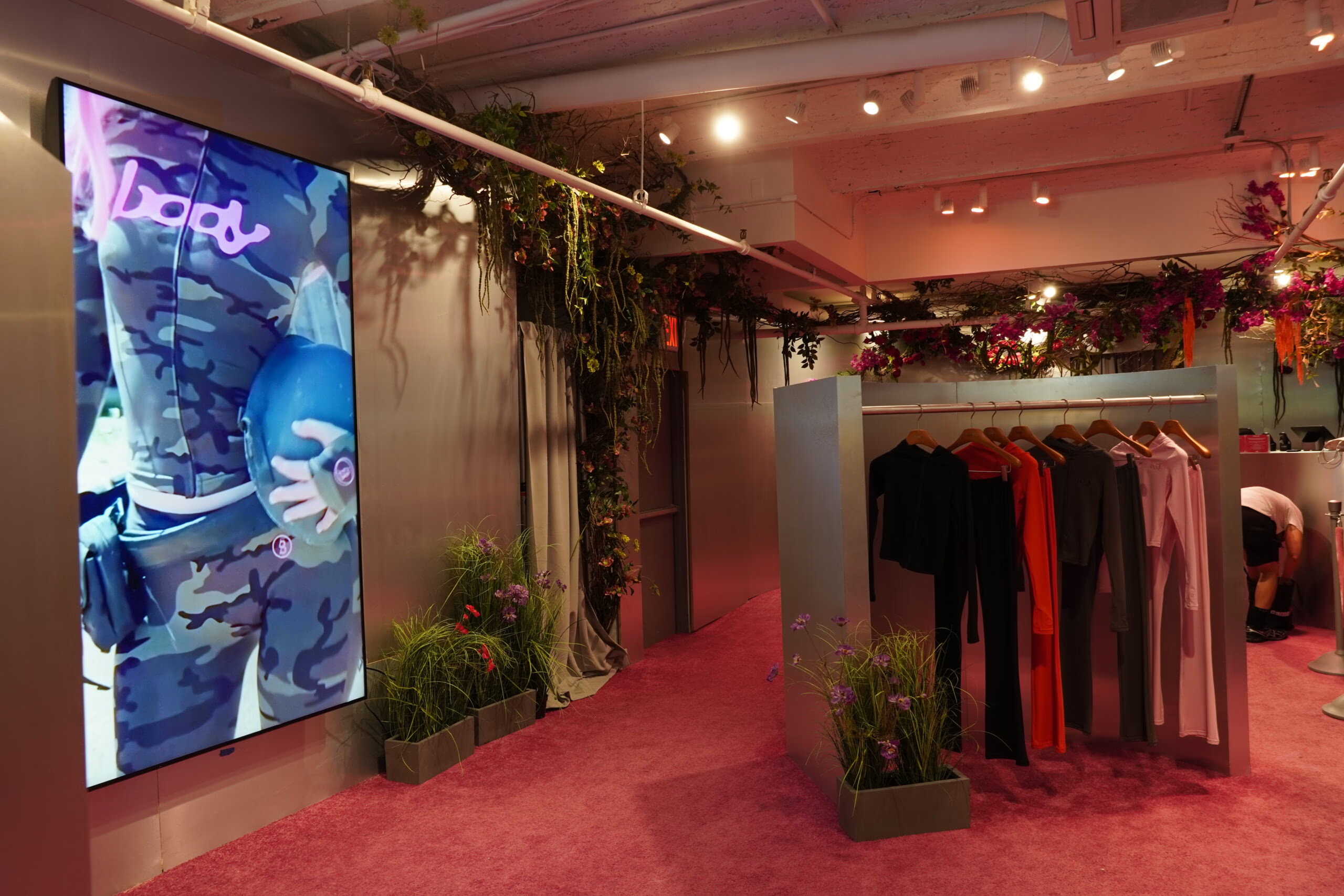
Colour, wall to wall. Pink carpet ran the full floor. It is the single cheapest way to make a white box read as a brand world, and it does more work in photographs than any fixture. Brushed metal panels lined both sides of the floor and bounced the pink back into itself, so the colour reads even in frames that point at a wall.
One window, one message. A magenta vinyl graphic filled the front glass with the BODY script. The corner gives dual exposure along Mott Street, and the graphic was sized to be legible from both approaches rather than from directly in front of the door — a detail most brands get wrong on a corner site.
Florals as architecture. Preserved florals climbed the facade, hung from the ceiling grid and spilled out of steel planters set between the rails. They did the job that millwork usually does: breaking a long rectangular floor into rooms, and giving the eye something at height.
The details that made it feel like a store, not a stand
The merchandising is where a short run either reads as permanent retail or as a trestle table with stock on it. BODY spent on the small, repeated objects.
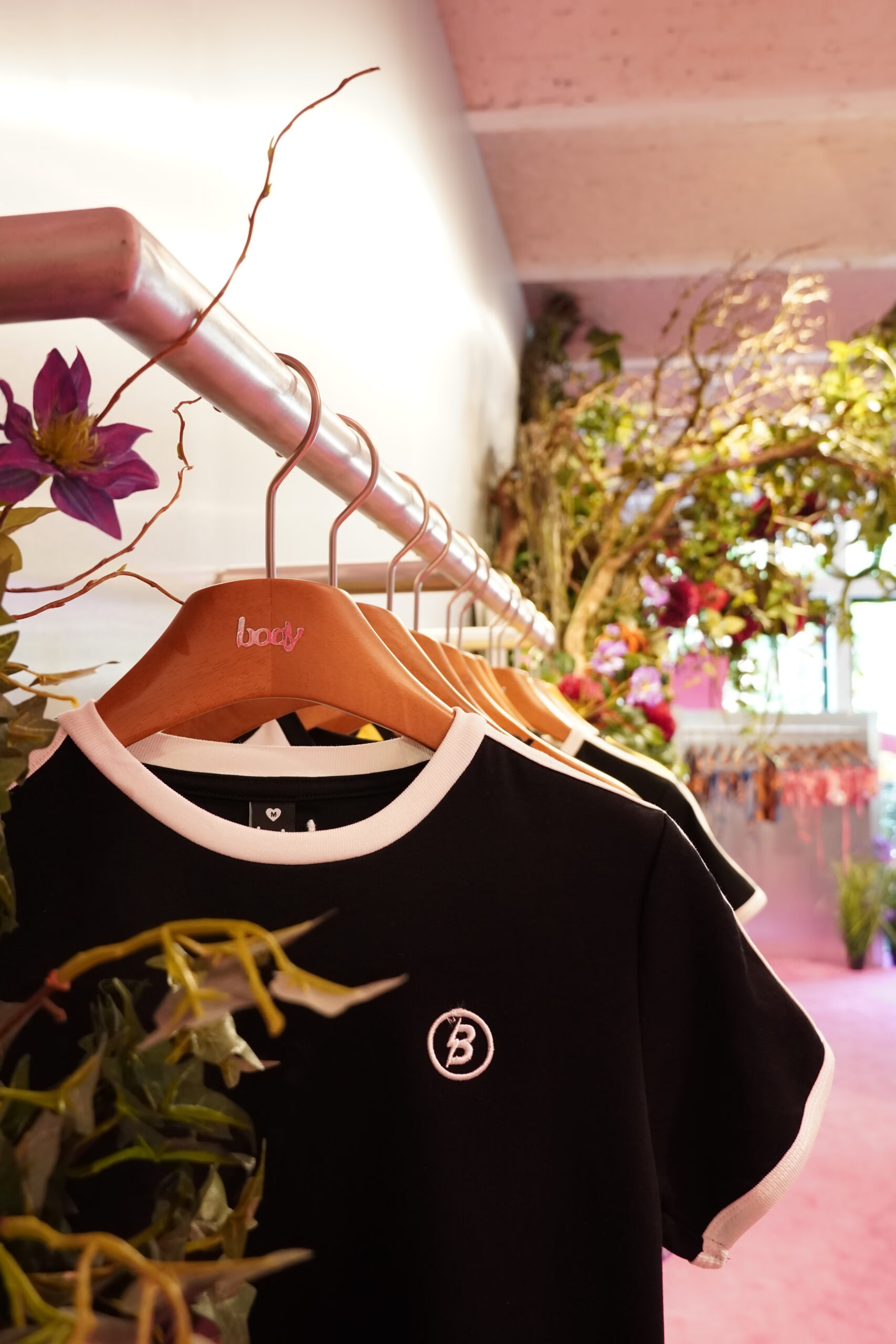
Pink powder-coated rails, rather than the chrome that comes standard. Custom wooden hangers branded body — visible in every rail shot and every photo a customer takes. Ringer tees with an embroidered B monogram and collegiate-lettered sweats hung along the perimeter, with leggings, capris and matching sets in orange, black, yellow and navy at the centre.
A full-height screen at the front of the room ran campaign film, which gives a passer-by a reason to stop even when the rails are not visible from the street. A stanchioned queue led to the counter at the back — a small thing that signals the brand expected a line, and keeps the sales floor clear when one forms.
Why an LA brand took a room in Nolita
BODY was founded in Los Angeles by the model and entrepreneur Raven Tracy, and runs a flagship boutique on Melrose Avenue. The label sells elevated basics, athleisure and statement pieces on inclusive sizing, to a community it calls its Body Babes. A New York pop-up is how a brand like that meets an East Coast customer who has only ever bought online.
The site choice follows from that. 262 Mott sits among Café Gitane, Rubirosa, Clare V. and Coclico — a block where the footfall is already shopping, not commuting. For a direct-to-consumer brand with no local list, the neighbourhood does the audience-building that a mailing list would do at home. If you are weighing districts, we compared them in what a pop-up costs by NYC neighborhood.
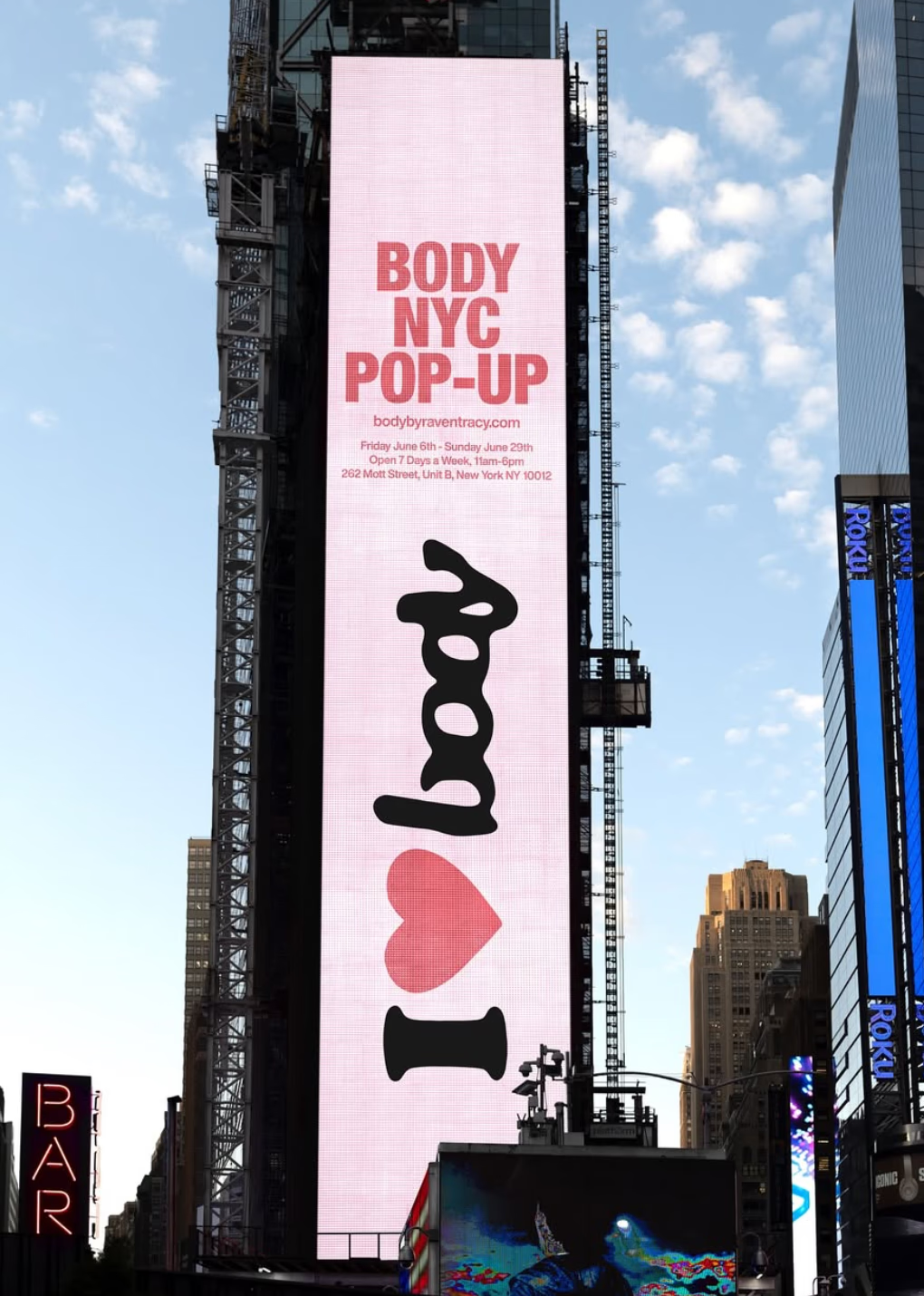
The brand also ran a digital billboard in Times Square for the dates. That is not a requirement — it is a reminder that the room is one line in the launch, not the whole thing.
What this would take to plan
A build at this level is not a last-minute decision, but it is not a six-month one either. For standard setups using rental fixtures we ask for 3 to 4 weeks before the start date; custom fabrication and complex installations need 8 to 12 weeks. Florals, custom rails and a window vinyl at this scale sit at the longer end of the first band.
Two things are worth knowing before you price a room like this. Painting a space in brand colour is normal and reversible — we colour-match inside and out and repaint to white at strike, so you are not buying a permanent change. And the 1,600 sq ft here is at the large end of what a fashion brand usually needs: across the 211 fashion activations in our archive, 83% took a space under 900 sq ft. BODY took the big room because the florals and the queue needed it.
The takeaway
The gap between the two photographs at the top of this page is carpet, vinyl, florals, rails and lighting. No structural work. If you are looking at an empty storefront and struggling to see anything in it, that is the normal starting point, and the distance to a finished room is shorter and more reversible than it looks.
You can drag the before and after for this build, and seventeen others across our spaces, on the production page. 262 Mott Street is bookable now, with live weekly rates on the listing. Consultations are free.
Frequently asked questions
How long does it take to build a pop-up like this one?
For a standard setup using rental fixtures, we ask for 3 to 4 weeks before your start date. Custom fabrication and complex installations need 8 to 12 weeks. A build like BODY's — florals, custom rails, a full window vinyl, but no structural work — sits at the longer end of the 3-to-4-week band.
How big does a fashion pop-up need to be?
Smaller than most brands assume. Across the 211 fashion activations in our archive, 83% took a space under 900 sq ft. 262 Mott is 1,600 sq ft, which is at the large end; BODY needed it for the floral installations and for a queue that would not block the rails. If your fixture plan is rails, a mirror and a counter, a smaller room will read fuller.
Can you paint a storefront in your brand colour?
Yes, and it is reversible. We colour-match paint inside and out, and repaint the space to white at strike, so nothing you do to the walls is permanent. Window vinyl, floor graphics, decals and custom signage work the same way.
What does a pop-up at 262 Mott Street cost?
Weekly rates vary by week and are published live on the 262 Mott Street listing — rates move with demand, so the listing is the only accurate source. The space rental is separate from production; a build with custom fixtures, florals and graphics is its own line. Minimum rental is one week, running Tuesday 10am to Monday noon.
Do you have to produce the build yourself?
No. Parasol produces more than 150 pop-ups a year and can handle the whole build — design, floor plans and renderings, contractors, furniture, permits, installation, day-of support and teardown. We also work alongside brands who bring their own designers or contractors, and we produce pop-ups in other NYC venues, not only our own.